When considering a waterproof flashlight, many consumers wonder, "What are the key features to look for in a waterproof flashlight?" According to James Anderson, an expert in outdoor gear, "A reliable waterproof flashlight can be a lifesaver in critical situations." This highlights the importance of making an informed choice.
Choosing the right flashlight is not just about waterproofing. You need to consider durability, brightness, beam distance, and battery life. A flashlight that is truly waterproof should meet at least an IPX7 rating, allowing it to withstand immersion in water. Also, focus on the materials used. A robust aluminum housing can provide extra protection against drops.
It’s vital to think about how you'll use the flashlight. Will it be in heavy rain or submerged in water? What environment will you encounter? These questions are essential. Look for features like adjustable brightness settings and rechargeable batteries. In the end, your choice should reflect your specific needs, ensuring safety and reliability when you need it most.
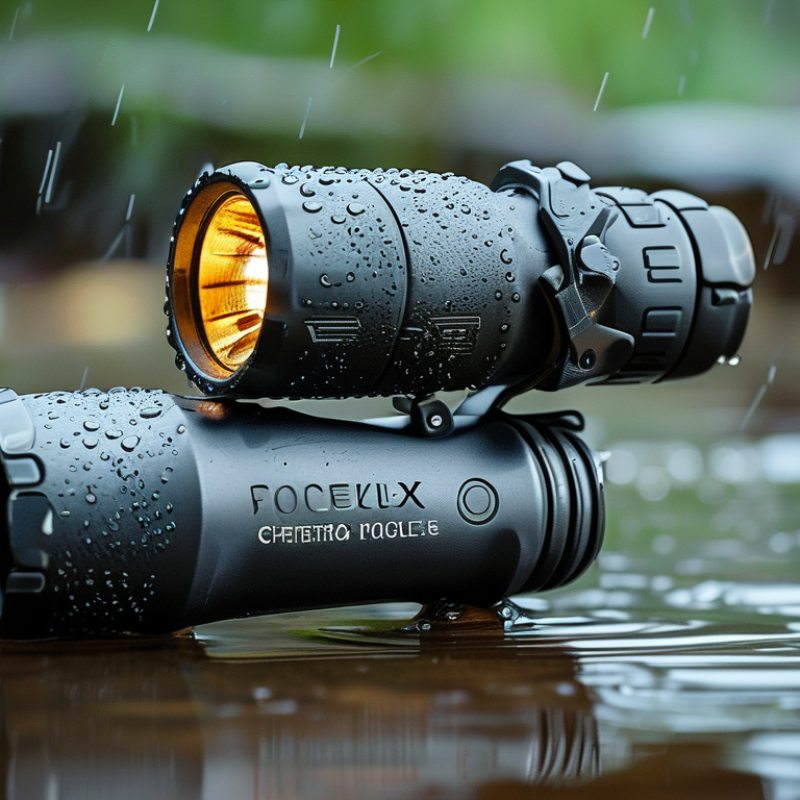
Factors to Consider for Waterproof Ratings in Flashlights
When selecting a waterproof flashlight, understanding waterproof ratings is essential. The Ingress Protection (IP) rating is the key metric here. It indicates how well a device can resist water and dust. An IP rating like IP67 means the flashlight can withstand immersion up to 1 meter for up to 30 minutes. This level is sufficient for most outdoor activities. However, it’s essential to consider scenarios that might exceed these limits.
You should also think about the flashlight's construction materials. Anodized aluminum and high-grade plastic often provide better durability against water. Rubber seals play a critical role as well. They help prevent moisture from entering the flashlight. Pay close attention to how the seals are implemented. Poorly designed seals can lead to leaks, rendering a flashlight ineffective in actual waterproof scenarios.
Additionally, user reviews and real-world tests can provide insights into a flashlight's reliability under wet conditions. It’s beneficial to seek information from various sources. However, not every review tells the complete story. Some users may overlook the importance of regular maintenance. Flashlights need care to maintain their waterproof integrity. Reflecting on these aspects can improve your decision-making process significantly.
Battery Life and Performance in Different Weather Conditions
When selecting a waterproof flashlight, battery life and performance in various weather conditions are crucial. Research from the Lighting Research Center indicates that battery efficiency can drop by up to 20% in cold environments. Understanding how temperature affects your flashlight's longevity is vital for outdoor enthusiasts. Avoiding extreme temperatures can improve performance and extend usage time.
Rain and humidity can further impact performance. Flashlights with advanced sealing technology can resist moisture, ensuring reliable operation. Studies show that a flashlight rated with an IPX7 or higher can withstand immersion in water for a limited time. This level of protection is beneficial for those who venture into wet conditions.
Consider these factors for smart usage. Evaluate your typical environment. If you frequently find yourself in rain or snow, prioritize your flashlight's waterproof rating. Battery choice is also essential. Lithium-ion batteries often perform better in colder weather compared to alkaline options. Reflect on your habits: will you need consistent use, or just occasional reliability?
Material Durability and Resistance to Corrosion
When selecting a waterproof flashlight, material durability is a critical factor. The flashlight's construction determines its resistance to harsh environments. Reports indicate that materials like aluminum and certain polymers outperform others in terms of longevity and corrosion resistance. Aluminum, for instance, typically offers high strength-to-weight ratios. It withstands extreme conditions better than many plastics, which can become brittle over time.
Corrosion resistance is essential for devices used in wet or humid conditions. Stainless steel and titanium are two of the best materials for combating corrosion. According to a report by the American Society for Testing and Materials, stainless steel can resist corrosion up to 1000 hours in a saline environment. Thus, choosing a flashlight made with these materials is wise.
Making an informed choice also involves considering the flashlight's intended use. Factors such as temperature extremes and exposure to chemicals should factor into your decision. When in doubt, consult professionals or reputable sources before investing. Not all options on the market provide equal durability. It’s worth researching and seeking expert opinions on the flashlight’s design and material composition.
Light Output and Beam Distance for Effective Use
When selecting a waterproof flashlight, light output and beam distance are crucial factors. Brightness is typically measured in lumens. A higher lumen count means a brighter light. For effective use, look for a flashlight that offers adjustable settings. This allows you to control the intensity of the light based on your needs. A flashlight with multiple modes can be very handy during outdoor adventures.
Beam distance refers to how far the light can reach. Some flashlights can illuminate objects hundreds of meters away. This distance is essential for tasks such as searching or signaling. However, not all scenarios require long-range visibility. Sometimes, a wider beam is preferable for close-range tasks. This versatility can make a flashlight more dependable in various situations.
It’s essential to consider how you will use your flashlight. An overly powerful beam can cause glare, diminishing visibility. For some users, this may feel overwhelming. Picking the right balance between brightness and beam distance requires thought. Experimenting with different settings can help identify what works best. A little trial and error is part of finding the perfect waterproof flashlight for every occasion.
Ergonomic Design and Portability in Outdoor Activities
When selecting a waterproof flashlight, ergonomic design and portability are crucial for outdoor enthusiasts. An effective flashlight should fit comfortably in your hand. Look for features like a textured grip. This helps prevent slipping during wet conditions. A lightweight design enhances usability, especially for long hikes. A compact flashlight can easily fit in your backpack or pocket.
In many outdoor scenarios, you might encounter unexpected weather changes. A waterproof flashlight must withstand heavy rain. It should remain functional after being submerged briefly in water. Additionally, consider the weight. A heavy flashlight can become cumbersome when navigating tricky terrains. Balance its size with functionality.
Reflecting on your past experiences with gear can be valuable. Sometimes, an overly complex design detracts from usability. Simplicity and comfort in a flashlight can enhance your adventure. Test how it feels during field use. Be mindful of how the weight shifts in your bag. The right choice can make your outdoor activities safer and more enjoyable.
FAQS
: The IP rating indicates a device's resistance to water and dust.
An IP67 rating means immersion up to 1 meter for 30 minutes is acceptable.
Durable materials like aluminum and rubber seals improve waterproof performance.
Poorly designed seals can lead to leaks, reducing waterproof reliability.
Reviews provide insights into real-world performance, but not all reviews are complete.
Material choice affects a flashlight's resistance to environmental factors like corrosion.
Stainless steel and titanium are highly effective against corrosion in wet conditions.
A comfortable grip and lightweight design enhance usability during outdoor activities.
A heavy flashlight can hinder mobility in tricky terrains, affecting overall usability.
Past experiences can reveal what design features improve comfort and ease of use.
Conclusion
When considering the purchase of a waterproof flashlight, it's essential to understand "What are the key features to look for in a waterproof flashlight?" First, evaluate the waterproof ratings, as these indicate the flashlight's ability to withstand exposure to water. Additionally, battery life is critical; a flashlight should maintain performance even in adverse weather conditions. Material durability and corrosion resistance are also vital, ensuring the flashlight can endure harsh environments without compromising functionality.
Moreover, light output and beam distance play a significant role in ensuring effective use in various situations. A brighter light with a longer beam can enhance visibility during outdoor activities. Lastly, ergonomic design and portability are important for ease of use and transport during adventures. By keeping these factors in mind, you can select a waterproof flashlight that meets your needs and withstands the elements.

 Glow Flashlight