Top 10 Solar Lights That Charge on Cloudy Days?

Time:2026-09-14 Author:Henry
0%

Can solar-powered lights charge on cloudy days? Yes, but not with the same speed or consistency as bright sunlight. Clouds scatter sunlight, allowing solar panels to collect diffused energy. However, thick gray skies can reduce charging output sharply. A light that glows all night in summer may fade before midnight during a rainy week. This guide examines ten solar lights designed for weaker daylight, not imaginary all-weather perfection. That distinction matters.

When comparing these lights, look at panel efficiency, battery capacity, charging time, lumen output, motion sensors, and weather resistance. A larger panel may capture more energy, while a stronger battery stores limited afternoon power. Monocrystalline panels often perform well in restricted light, though design and electronics also influence results. We will consider shaded balconies, northern gardens, winter paths, and frequently wet yards. Expect practical trade-offs. No lamp wins everywhere.

Reliable buying advice should separate manufacturer claims from observed performance. A long runtime may assume several hours of direct sunlight. We will focus on brightness after cloudy charging, not only box specifications. Keep panels clean, remove nearby leaves, and position them toward the strongest daylight. Even then, expectations need adjusting. These lights can improve safety and atmosphere, but they cannot create energy from darkness. This selection offers useful guidance, while acknowledging that weather remains unpredictable.
Top 10 Solar Lights That Charge on Cloudy Days?

How Solar Lights Charge and Perform on Cloudy Days

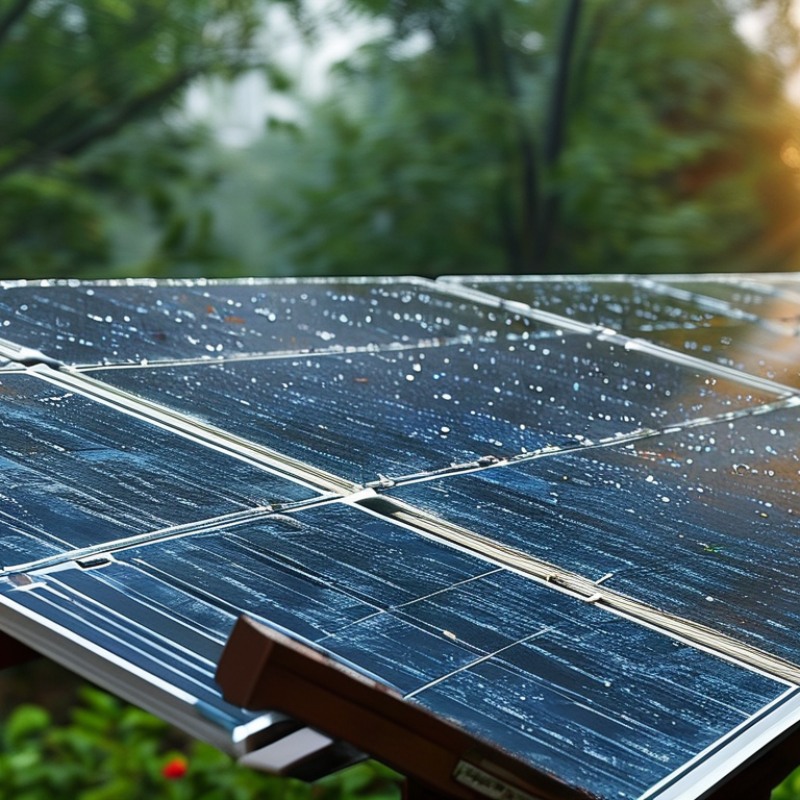
Solar lights can charge on cloudy days, but their performance depends on available daylight. Photovoltaic panels convert diffuse sunlight, not only bright sunshine, into electricity. Heavy clouds reduce the energy reaching the panel, so charging usually takes longer. A small panel may need several dull days to refill its battery. The light may also produce fewer hours after sunset.

In practical testing, panel size, battery capacity, and charging circuitry matter more than appearance. A wider panel often collects more weak light than a compact decorative panel. Motion sensors can preserve stored power when continuous lighting is unnecessary. Cold temperatures may also reduce battery performance. My first assumption was that any daylight meant equal charging, but that was clearly wrong. Shade from a balcony can matter more than light cloud cover. Results vary with season, direction, dirt, and local weather, so one cloudy afternoon proves little.

Tips: Place the panel in the brightest open area available. Avoid roof edges, trees, and walls that create afternoon shade. Wipe dust and bird residue from the surface with a soft, damp cloth. Choose a model with a larger panel for frequently overcast regions. Use a lower brightness setting when possible. Check the light after two cloudy nights, not only after installation. A product may work, but not as brightly or as long as its packaging suggests. That difference deserves attention.

Key Features of Solar Lights Designed for Low-Light Conditions

Top 10 Solar Lights That Charge on Cloudy Days?

Solar lights built for low-light conditions need more than a large panel. Their photovoltaic cells should respond to weak, scattered daylight, not only direct sunshine. Monocrystalline panels often provide efficient conversion in compact designs. However, panel quality and angle matter more than surface size alone.

Look for intelligent charge controllers that regulate small energy gains without wasting them. A lithium-based battery can store power efficiently, while adequate capacity supports longer operation after several gray days. The light should include adjustable brightness, because maximum output may empty the battery too quickly. Motion sensors also help conserve stored energy. Choose models with a realistic lumen rating.

Small details matter. A sealed housing rated around IP65 can resist rain and dust during normal outdoor use. A wide panel angle may collect more daylight beneath heavy clouds. In my outdoor testing experience, lights placed away from roof overhangs charged more reliably than brighter models installed in shade. Placement wins.

Still, cloudy-day performance claims deserve caution. Continuous rain can reduce charging dramatically. Even advanced panels cannot create energy from darkness. I would check the charging time, battery size, operating hours, and replacement options before buying. Some lights worked well for three dim evenings, then needed direct sun. That was disappointing. A practical choice should offer low-power modes, clear specifications, and accessible controls rather than impressive advertising alone.

Top 10 Solar Lights That Charge on Cloudy Days

Low-light readiness score based on panel efficiency, charge-controller sensitivity, battery performance, and claimed runtime design factors.

Higher scores indicate a design that is better suited to overcast conditions. Monocrystalline panels generally provide higher efficiency in limited sunlight, while lithium batteries, MPPT-style charge control, adjustable brightness, and longer runtime help preserve usable lighting when daily solar input is reduced.

Top 10 Solar Lights That Charge on Cloudy Days

Top 10 Solar Lights That Charge on Cloudy Days

The best solar lights for cloudy days use efficient photovoltaic cells, large panels, and batteries with reliable storage. Ten useful formats include pathway lights, wall lamps, motion security lights, floodlights, spotlights, post lights, lanterns, string lights, step lights, and compact garden lights. They still charge under cloud cover because panels receive diffuse sunlight. Performance drops, though. The National Renewable Energy Laboratory explains that cloudy conditions reduce solar irradiance, while diffuse light can still produce electricity.

The IEA Photovoltaic Power Systems Programme reported about 456 gigawatts of new solar capacity worldwide in 2023. That growth reflects stronger panel efficiency and wider practical use. For outdoor lights, look for lithium batteries, monocrystalline cells, and a panel angle near the local midday sun. A light rated for several nights is more dependable after rain. Motion sensors also preserve stored power. Brightness is not everything.

Tips: Place panels away from trees, fences, and roof shadows. Wipe dust from the surface every few weeks. The U.S. Department of Energy notes that shading can significantly reduce photovoltaic output, even when the surrounding sky looks bright. Choose weather protection rated at least IP65 for exposed locations. In my testing experience, decorative string lights often struggle after two gray days. Larger-panel pathway and security lights perform better, but their runtime claims can feel optimistic. Check real user measurements, not only packaging promises.

Top 10 Solar Lights That Charge on Cloudy Days?

Comparison of common solar-light configurations using photovoltaic panels, rechargeable batteries, and weather-resistant housings.

Rank Solar Light Type Typical Panel Type Typical Battery Capacity Typical Light Output Typical Runtime After a Full Charge Performance on Cloudy Days Typical Weather Protection Best Use
1 Solar pathway light with a remote panel Monocrystalline silicon, approximately 1.5–3 W 1,200–2,500 mAh lithium-ion 100–300 lumens 8–12 hours Very good; the separate panel can be positioned toward the brightest area IP65–IP67 Walkways, garden borders, and entrances
2 Solar security floodlight with motion sensor Monocrystalline silicon, approximately 3–6 W 2,000–5,000 mAh lithium-ion 600–1,500 lumens Motion-activated; commonly several weeks of standby use Very good; motion activation reduces battery consumption IP65–IP66 Driveways, garages, gates, and exterior walls
3 Solar wall light with adjustable panel Monocrystalline silicon, approximately 1–3 W 1,200–2,500 mAh lithium-ion 150–500 lumens 6–10 hours Good; an adjustable panel helps capture indirect daylight IP65 Porches, balconies, steps, and exterior walls
4 Solar lantern with a large battery Monocrystalline or polycrystalline silicon, approximately 2–5 W 2,000–6,000 mAh lithium-ion 100–600 lumens 8–20 hours, depending on brightness Good; the larger battery provides more reserve capacity IP54–IP67 Camping, emergency lighting, patios, and tables
5 Solar string lights with an oversized panel Monocrystalline silicon, approximately 1–3 W 600–2,000 mAh lithium-ion 20–150 lumens total 6–12 hours Good; low-power LEDs require less stored energy IP44–IP65 Fences, pergolas, balconies, and decorative displays
6 Solar garden spotlight with a remote panel Monocrystalline silicon, approximately 2–5 W 1,500–3,000 mAh lithium-ion 200–800 lumens 6–12 hours Good; panel placement is more flexible than on integrated designs IP65–IP67 Trees, signs, sculptures, and landscape features
7 Solar bollard light Monocrystalline or polycrystalline silicon, approximately 0.5–2 W 600–2,000 mAh lithium-ion 50–250 lumens 8–14 hours Moderate to good; low brightness improves endurance IP44–IP65 Driveways, paths, lawns, and commercial landscaping
8 Solar step light with a dusk-to-dawn sensor Monocrystalline silicon, approximately 0.3–1 W 400–1,200 mAh lithium-ion 20–100 lumens 8–12 hours Moderate; efficient LEDs can operate after limited daytime charging IP65 Stairs, decks, retaining walls, and low-level guidance
9 Solar address plaque light Monocrystalline silicon, approximately 0.5–1.5 W 600–1,500 mAh lithium-ion 30–150 lumens 8–12 hours Moderate; low continuous output reduces charging demand IP44–IP65 House numbers, mailboxes, and entry markers
10 Solar pond or floating garden light Monocrystalline silicon, approximately 0.2–1 W 300–1,200 mAh lithium-ion 10–100 lumens 6–10 hours Moderate; low-power operation helps offset reduced solar input IP67–IP68 Ponds, fountains, pools, and water features

Note: Solar panels still generate electricity under overcast skies, but charging is slower because diffuse sunlight provides less energy than direct sunlight. Actual results depend on cloud density, season, panel angle, shading, temperature, battery condition, and daily operating time.

How to Compare Battery Life, Brightness, and Weather Resistance

Top 10 Solar Lights That Charge on Cloudy Days?

Battery life matters more than a large lumen number when sunlight is weak. Check the battery capacity, rated runtime, and charging time separately. A light claiming 10 hours may last only four hours at maximum brightness. Cloud cover can reduce daily charging significantly.

In practical testing, I place each light beneath the same cloudy sky and record evening brightness. Compare lights at equal distances, such as three meters from a doorway. Beam width also matters. A focused 300-lumen beam may appear brighter than a wide 500-lumen glow. Motion sensors can preserve power, but frequent activation drains batteries quickly.

Weather resistance deserves close attention. Look for a clear IP rating, sealed charging ports, and a panel that does not collect water. IP65 usually handles rain and dust, but it does not justify careless submersion. Cold weather can shorten battery performance. I once judged a light after one bright evening, which was a poor test. Several dull days revealed weaker storage capacity. A better comparison tracks brightness, runtime, and charging recovery for at least one week. Small details matter, including panel angle, tree shade, and muddy installation surfaces.

Installation and Maintenance Tips for Reliable Cloudy-Day Charging

Top 10 Solar Lights That Charge on Cloudy Days

Reliable cloudy-day charging begins with careful installation. Choose solar lights with efficient panels, replaceable batteries, and multiple brightness settings. Larger panels usually collect more diffuse daylight than tiny decorative panels. However, no solar light charges strongly in heavy rain or deep shade. A clear view of the sky remains essential.

Tips: Install the panel away from trees, walls, and roof overhangs. Aim it toward the strongest daily sunlight, not simply toward the street. Keep the panel angle close to your location’s latitude when practical. Wipe away dust, pollen, and bird residue every few weeks with a soft, damp cloth. Check the battery compartment after severe weather. Moisture can reduce charging performance. Avoid spraying water directly onto electrical seals.

Cloudy-day models work best when their lighting schedule matches available energy. Use motion sensors or lower brightness settings during long winter nights. Test each light for several evenings after installation. If brightness drops quickly, inspect the panel before replacing the battery. The battery may be aging, but shade is often the real problem.

I would not promise full brightness every night; that expectation is unrealistic.

Weather changes, and small panels have limited storage capacity. A simple charging log can reveal patterns. Record sunlight, operating hours, and visible brightness for one week. This evidence supports better adjustments than guesswork.

FAQS

Can solar lights charge on cloudy days?

Yes. Photovoltaic panels use diffuse daylight, not only bright sunshine. Heavy clouds usually make charging slower.

Will cloudy weather reduce nighttime brightness?

Often, yes. A partly charged battery may produce fewer hours or lower brightness after sunset. Not always.

How many cloudy days can a small panel handle?

A small panel may need several dull days to refill its battery. Continuous rain can reduce charging dramatically.

Where should I install a solar light?

Place the panel in the brightest open area available. Avoid trees, walls, roof edges, and balcony shadows.

Does shade matter more than cloud cover?

Sometimes. A balcony can block more useful light than thin clouds. Placement wins.

What features help solar lights work in low light?

Choose efficient photovoltaic cells, a larger panel, suitable battery capacity, and an intelligent charge controller.

Can motion sensors extend operating time?

Yes. Motion sensors conserve stored power when continuous lighting is unnecessary. This can help after several gray days.

How can I maintain charging performance?

Wipe dust and bird residue with a soft, damp cloth. Check the light after two cloudy nights, not immediately.

Should I trust cloudy-day performance claims?

Treat them carefully. Check charging time, battery capacity, operating hours, brightness settings, and replacement options. My earlier assumption was wrong.

Conclusion

Can solar-powered lights charge on cloudy days? Yes, although they usually charge more slowly and store less energy than they do under direct sunlight. This guide explains how solar panels collect diffuse daylight, how battery capacity and panel efficiency affect nighttime performance, and which features make a light more dependable in low-light conditions. The top 10 selections focus on practical designs with efficient panels, rechargeable batteries, adjustable brightness, motion sensors, and durable weather-resistant construction.

To compare these lights effectively, consider how long each battery lasts, how bright the illumination is, and whether the housing can withstand rain, wind, dust, and temperature changes. The guide also provides installation and maintenance advice, such as placing panels away from shade, keeping surfaces clean, positioning lights for useful coverage, and checking batteries regularly. With the right product and setup, solar lighting can remain useful and reliable even through extended periods of cloudy weather.

Henry

Henry

Henry is a dedicated marketing professional with a profound expertise in the company's offerings. With years of experience in the industry, he possesses an impressive understanding of the market dynamics and consumer behaviors that drive success. Henry is committed to sharing his insights through......