A work light can change how safely and comfortably a task gets done. In 2026, compact lights may combine adjustable beams, magnetic mounts, rechargeable batteries, and hands-free positioning. That can be useful when checking a dark engine bay, repairing a cabinet, or setting up equipment after sunset. One light, several jobs. But extra features only matter when they solve real problems.
Why should I invest in a multi-functional work light? The answer depends on where and how you work. A technician may value a focused beam and a sturdy clip. A homeowner might prefer a wide floodlight, a stable base, and simple charging. Look beyond feature lists: check brightness settings, runtime claims, charging options, build quality, and whether controls are easy to use with gloves. Manufacturer specifications are a helpful starting point, but real runtime can vary with temperature, battery age, and brightness.
There are trade-offs. A larger battery can add weight, while a brighter setting may drain power quickly. Some magnetic mounts also need a clean, suitable metal surface. Small details matter. Before buying, consider the tasks you perform most often and the environments you face. A multi-functional work light can be a practical upgrade, but it is not automatically the best choice for everyone. Compare the features against your actual needs, and leave room to reconsider if a simpler light would do the job.
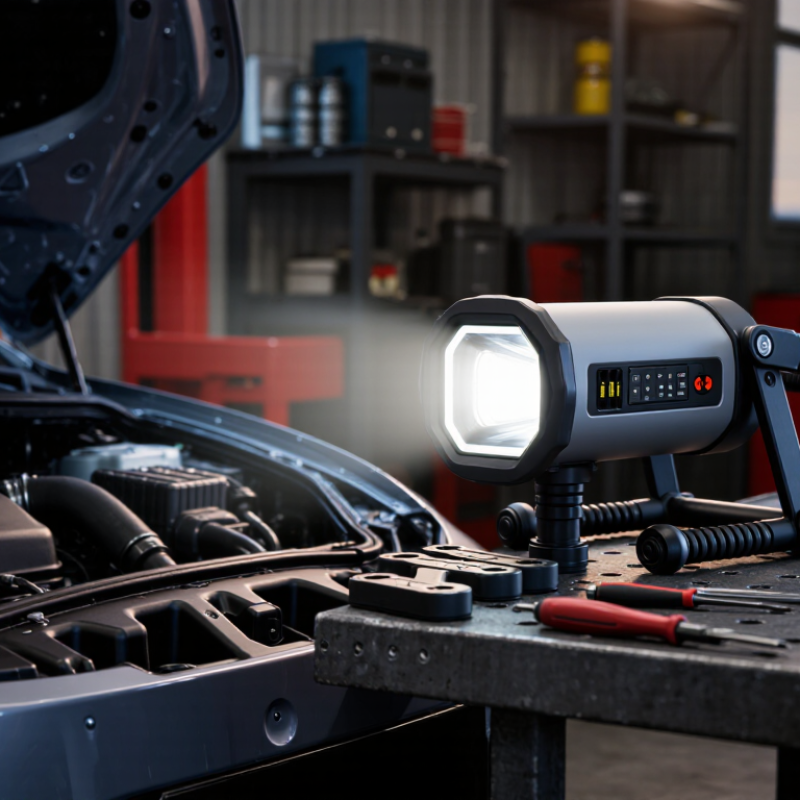
What Defines a Multifunctional Work Light in 2026?
A multifunctional work light in 2026 is more than a bright lamp. It is a compact safety tool for changing work conditions. The U.S. Department of Energy reports that LED lighting uses at least 75% less energy than incandescent lighting. This makes efficient LEDs valuable for long shifts and emergency preparation.
A capable work light should combine flood and focused beams, adjustable brightness, and a stable magnetic base. A rotating head helps illuminate ceiling panels, engine bays, or narrow cabinets. Color accuracy also matters when checking wiring, paint, or surface damage. Look for a high color rendering index, suitable IP protection, and a battery indicator. USB-C charging is practical, but charging speed and battery replacement deserve more attention. I often overestimate brightness. More lumens can create glare and hide detail. The right beam pattern may matter more.
Tips: Test the light with protective gloves. Check whether the controls remain usable in rain. Choose a model with a secure hook or base. Review runtime at medium brightness, not only the highest setting. The 2024 Global E-waste Monitor recorded 62 million tonnes of electronic waste in 2022 and projects 82 million tonnes by 2030. Repairable batteries and replaceable parts should therefore influence purchasing decisions. Convenience is useful. Durability is better.
Why Invest in a Multifunctional Work Light in 2026?
What Defines a Multifunctional Work Light in 2026?
A multifunctional work light combines broad-area illumination, focused beam control, hands-free positioning, rechargeable power, weather resistance, and dependable runtime. This practical capability index uses a 0–100 scale to show how each feature contributes to versatility in maintenance, construction, emergency, automotive, and outdoor tasks.
Index values represent a practical evaluation model rather than measurements from a specific company or brand.
Which Features Make Modern Work Lights More Versatile?
Why Invest in a Multi Functional Work Light in 2026?
Modern work lights are no longer simple handheld lamps. Their value comes from combining useful features in one compact tool. Adjustable brightness helps when checking a dark engine bay or reading small wiring labels. A focused beam reaches distant corners, while a wide flood beam covers an entire workbench. Some models also offer a soft red mode for low-glare tasks.
Hands-free operation matters just as much. A strong magnetic base can attach to steel frames, and a rotating hook can hang from a ladder or cabinet. A stable stand is useful on uneven floors. It should not collapse when a light cable is pulled. USB-C charging makes daily use simpler, especially when the same charger powers several devices. Battery indicators, replaceable batteries, and thermal protection also improve reliability.
Durability needs closer attention. An IP rating can show resistance to dust and water, but it does not guarantee shock resistance. Check the housing, switch quality, and lens protection. In practical use, a slightly dimmer light with a comfortable grip may outperform a brighter model that becomes hot quickly. No work light does everything perfectly. More modes can also mean more buttons to remember. I still prefer clear controls, even if the design looks less impressive. A useful light should reduce interruptions, not create another small problem.
Where Can a Multifunctional Work Light Be Used?
A multifunctional work light earns its place in construction zones, workshops, garages, and inspection areas. OSHA’s 29 CFR 1926.56 requires at least 5 foot-candles for general construction areas and 3 foot-candles for corridors, storerooms, and loading zones. A suitable work light can help workers see fasteners, cables, labels, and uneven surfaces more clearly.
The beam matters.
In a vehicle repair bay, a magnetic base can hold the light under a hood while a narrow beam reaches deep spaces. On a building site, a wide flood mode can brighten a temporary work area, while a rotating head helps reduce harsh shadows. During maintenance checks, a pocket-sized inspection beam can reveal leaks, cracks, or damaged insulation. The U.S. Department of Energy reports that LED lighting uses at least 75% less energy and can last up to 25 times longer than incandescent lighting. That efficiency supports repeated use and reduces battery changes.
Outdoor repairs create different demands. A hook, tripod mount, water-resistant housing, and adjustable brightness can make work safer near equipment or storage areas. A rechargeable battery also reduces dependence on disposable cells. Still, one light cannot solve every lighting problem. High brightness may cause glare, and claimed runtimes often shrink at maximum output. That deserves honest testing. Select the light by task, beam pattern, mounting method, and working environment, not by brightness alone.
How Does One Work Light Support Safety and Efficiency?
What Should Buyers Consider Before Investing?
Before buying a multi-functional work light in 2026, define the real task. A mechanic may need a focused beam, while a maintenance worker may need wide area lighting. More lumens do not always mean better work. Excessive glare can hide surface details and cause eye fatigue. The U.S. Department of Energy reports that LED lighting uses at least 75% less energy and can last up to 25 times longer than incandescent lighting. However, buyers should still check measured output, beam distance, color rendering, and runtime rather than trusting large lumen claims.
Battery performance deserves close attention. A light rated for 12 hours may provide far less time at maximum brightness. Look for runtime charts, replaceable batteries, charging protection, and USB-C compatibility. In field testing, a magnetic base, rotating hook, and stable stand often matter more than another lighting mode. Small details matter. The product should also survive drops, dust, and occasional water exposure. IEC 60529 IP ratings offer a recognized method for judging ingress protection, but an IP rating does not prove impact resistance.
Weight and heat are easy to overlook. A heavy lamp becomes uncomfortable on a belt after several hours. Warm housings may also reduce battery efficiency. Check the warranty, repair options, and published safety certifications before purchase. The International Energy Agency continues to identify efficient lighting as an important energy-saving measure, yet efficiency alone cannot confirm good design. Some impressive specifications remain difficult to verify. A careful buyer should question them.
FAQS
Adjustable brightness supports detailed inspections and broad workspace lighting. A focused beam reaches narrow gaps. A flood beam covers benches.
A magnetic base can attach to steel frames. A rotating hook can hang from ladders or cabinets. Stable stands help on uneven floors.
A narrow beam reaches deep engine spaces. A flexible head can reduce shadows beneath a hood. Glare may still appear.
Rechargeable batteries reduce disposable-cell waste and repeated purchases. USB-C charging fits many daily setups. Runtime often drops at maximum brightness.
Look at the housing, switch, lens, and water-resistance rating. An IP rating does not prove shock resistance. Handle it carefully.
Brightness matters, but comfort matters too. A cooler, dimmer light may outperform a hotter, brighter model. More brightness is not always better.
Not really. Construction areas need wide coverage. Inspection tasks need focused light. Outdoor repairs may require hooks and water resistance.
Keep walkways and work surfaces clearly lit. Avoid direct glare into someone’s eyes. Check local workplace lighting requirements before starting.
Conclusion
In 2026, a multifunctional work light is more than a simple source of illumination. It combines powerful, adjustable lighting with practical features such as multiple brightness levels, flexible positioning, rechargeable power, emergency signaling, and durable construction. These improvements make one compact tool useful for workshops, construction areas, garages, outdoor maintenance, home repairs, camping, and unexpected power interruptions.
Why should I invest in a multi-functional work light? The answer is convenience, safety, and efficiency. A versatile light can reduce the need to carry several separate tools while helping users see details clearly and work more confidently in dim or difficult conditions. Before buying, consider brightness, battery capacity, charging options, beam flexibility, impact and weather resistance, portability, and ease of operation. Selecting a model that matches your regular tasks can provide dependable lighting, improve workflow, and offer practical value over time.

 Glow Flashlight